Evolving Regulations Altering Financial Transactions and Smartphone-Based Casino Participation Across Sweden
Olivia Wagner · Aug 19, 2026

Evolving Regulations Altering Financial Transactions and Smartphone-Based Casino Participation Across Sweden
Sweden's gambling framework has undergone several updates since the 2019 re-regulation that introduced a licensing system under Spelinspektionen, and observers note ongoing adjustments continue to influence how operators handle transactions and mobile platforms. These shifts focus on consumer protection measures, stricter verification protocols, and alignment with broader European standards while data from regulatory filings shows increased scrutiny on payment providers and app-based entry points.
Key Legislative Updates Driving Change
Parliamentary decisions in recent years have refined the Gambling Act with new provisions that took effect progressively, and analysts point to requirements for enhanced anti-money laundering checks that directly impact deposit and withdrawal options available to users. Payment processors must now demonstrate compliance with real-time monitoring systems, whereas earlier rules allowed more flexibility for certain e-wallet services; this has led operators to adjust their supported methods accordingly. Research from industry reports indicates that bank transfers and card transactions face additional documentation demands, while restrictions on anonymous payment channels have tightened.
Those who track regulatory timelines highlight that further refinements scheduled around August 2026 will introduce mandatory integration of digital identity verification across all mobile interfaces, and this builds on existing geolocation mandates that already limit access to licensed operators within Swedish borders. Experts have observed that these changes aim to reduce unauthorized participation without disrupting the licensed market's growth trajectory.
Effects on Payment Methods and Transaction Processing
Operators licensed in Sweden report modifications to accepted payment gateways following updated guidelines from Spelinspektionen, with several international e-wallets undergoing review for compliance before continued use. Data shows a measurable shift toward direct bank integrations that provide clearer audit trails, and this transition has prompted some providers to expand partnerships with local financial institutions. Figures reveal that processing times for withdrawals have lengthened in certain cases due to enhanced verification layers, although licensed sites maintain average payout windows within regulatory limits.
According to updates shared through Spelinspektionen publications, operators must now document every transaction route more thoroughly, and this requirement has reshaped how mobile apps present funding choices to users. People who monitor these developments note that cryptocurrency options remain limited or excluded under current interpretations, while traditional methods receive clearer pathways once they meet transparency criteria.
Adjustments to Mobile Casino Access and Platform Requirements
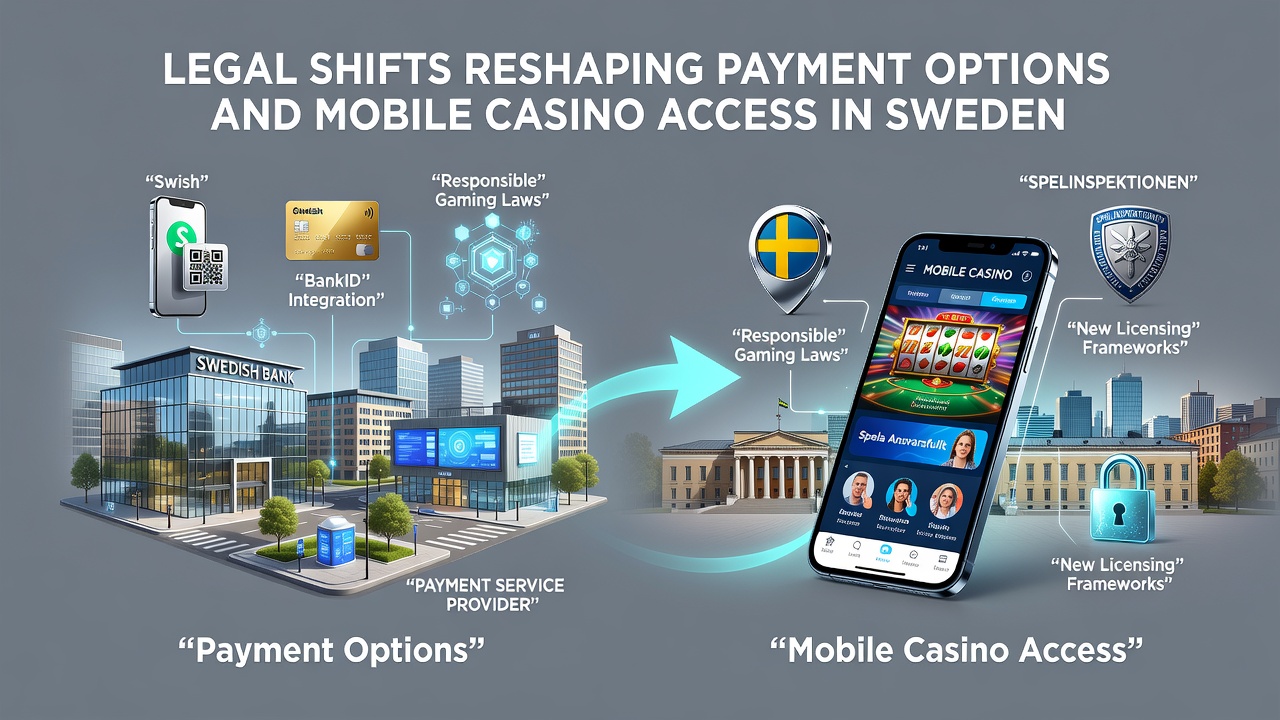
Mobile access rules have evolved to emphasize secure login procedures and age confirmation at every session start, and developers have responded by embedding advanced biometric options alongside standard password systems. Application stores reflect these adaptations through updated listings that highlight licensed status, whereas non-compliant apps face removal or blocking measures enforced by authorities. Studies from European monitoring bodies show higher compliance rates among operators who redesign their mobile interfaces early in response to announced changes.
Additional provisions expected in August 2026 will require all mobile casino software to incorporate dynamic risk assessment tools that flag unusual activity patterns in real time, and this builds on existing responsible gaming features already embedded in many platforms. Those who've examined implementation cases describe how location-based restrictions now integrate more seamlessly with payment authorization steps, creating a unified verification flow that reduces separate checks for users.
Industry Responses and Market Adaptations
Licensed operators have invested in updated backend systems to align with the shifting requirements, and trade associations report collaborative efforts to standardize reporting formats across platforms. Evidence from market analyses suggests that smaller providers sometimes partner with established technology firms to meet the technical thresholds for mobile compliance, while larger entities leverage existing infrastructure for faster rollouts. Payment solution vendors have similarly adjusted their offerings to include built-in compliance modules that simplify operator obligations.
What's notable is how these adaptations maintain market accessibility while satisfying oversight demands, and data from European Commission reviews indicates steady user engagement numbers despite the layered verification processes. Observers note that cross-border cooperation with neighboring regulators helps harmonize standards without creating conflicting obligations for multi-jurisdictional operators.
Conclusion
Sweden's regulatory environment continues to shape payment options and mobile casino access through targeted legislative refinements that emphasize verification, transparency, and consumer safeguards. The adjustments scheduled around August 2026 represent the next phase in this progression, and industry participants prepare by aligning systems with anticipated standards. Data and regulatory filings demonstrate consistent implementation across licensed channels, supporting an orderly transition that preserves market functionality under evolving rules.